What is a Kitchen Colander and How to Choose the Best One?
In the culinary world, the kitchen colander is often overlooked yet essential. According to a recent market analysis by Statista, the kitchenware segment is projected to grow substantially in the coming years, driven by increased home cooking trends. A kitchen colander is a versatile tool designed for draining liquids from foods like pasta, vegetables, and fruits. However, many home cooks are unsure how to select the best one for their needs.
When choosing a kitchen colander, consider materials and sizes. Stainless steel colanders are durable and easy to clean, while plastic options are lighter and often colorfully designed. A study published by the International Journal of Gastronomy found that proper drainage significantly improves food texture and taste. One of the challenges is balancing functionality with aesthetics, as many colanders lack both practicality and appeal. Selecting the right kitchen colander means understanding your cooking style and needs, ensuring it complements your kitchen workflow efficiently.
What is a Kitchen Colander? Definition and Purpose Explained
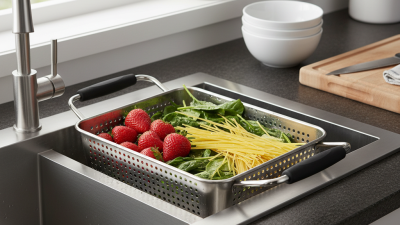
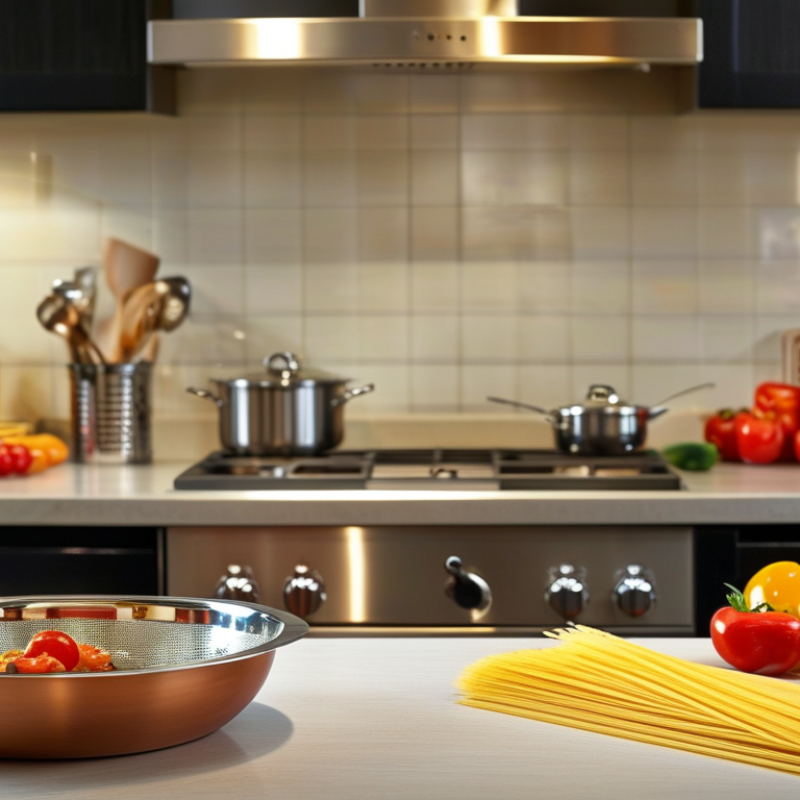
A kitchen colander is a versatile kitchen tool designed for draining liquids from food. It usually features a bowl shape with holes or mesh that allow water to flow out while retaining the solids inside. Commonly made from materials like stainless steel or plastic, a good colander can handle a variety of tasks, such as rinsing fruits, draining pasta, or washing vegetables. Its design minimizes spills, helping you manage food with ease.
Choosing the right colander is essential. Consider the size you need. A larger colander helps with big pasta batches, while a smaller one is perfect for washing berries. Pay attention to the handle's comfort, as a sturdy grip is vital during use. The hole size is another factor; smaller holes are great for grains, while larger ones suit fruits and vegetables. After using your colander, take time to clean it thoroughly. Neglecting this can lead to bacteria growth, especially if food particles are stuck in the holes. Balancing functionality and ease of care is crucial in selecting a colander that meets your cooking habits.
Kitchen Colander Types and Their Popularity
Key Features to Consider When Choosing a Kitchen Colander
When selecting a kitchen colander, several key features should guide your choice. The material is essential. Stainless steel offers durability and resistance to rust. Plastic is lightweight and affordable but may not endure heat. Consider the colander's size as well. Larger colanders are ideal for draining pasta or washing vegetables, while smaller options suit rinsing grains or beans.
Tip: Choose a colander with comfortable handles. This makes pouring out hot liquids safer and easier. Holes should be well-sized. Too large may let food slip through, while too small can block drainage. Look for a colander that fits snugly in your sink or pot.
Evaluate stability and grip too. A good colander should not tip over easily when filled. You may find those with silicone bases more secure. Remember that design matters. A colander that looks good can enhance your kitchen's aesthetics while serving its purpose. Consider how often you'll use it and how it fits into your cooking routine. This can inform your preference for features and style.
What is a Kitchen Colander and How to Choose the Best One? - Key Features to Consider When Choosing a Kitchen Colander
| Feature |
Description |
Importance |
| Material |
Common materials include stainless steel, plastic, and silicone. |
Durability and ease of cleaning. |
| Size |
Available in various sizes, typically ranging from 1 quart to 5 quarts or larger. |
Suitability for different cooking tasks. |
| Design |
Some feature handles or bases for stability. |
Ease of use and efficiency in draining. |
| Holes Size |
Sizes vary; smaller holes are good for draining liquids from grains, larger holes for fruits and vegetables. |
Prevents clogging and ensures effective draining. |
| Heat Resistance |
Some colanders can withstand high temperatures, ideal for straining hot liquids. |
Safety and versatility for cooking tasks. |
| Portability |
Lightweight designs are easier to handle and store. |
Convenience in the kitchen and when traveling. |
Materials Used in Kitchen Colanders: Pros and Cons
When choosing a kitchen colander, material plays a crucial role. Common materials include stainless steel, plastic, and silicone, each with unique advantages and drawbacks. Stainless steel colanders are durable and resistant to rust, making them a popular choice among home cooks and chefs. According to a survey by the Food Service Industry Association, 68% of professional chefs prefer stainless steel for its longevity and ability to withstand high heat.
Plastic colanders are lightweight and affordable. However, they can warp or stain over time, especially with frequent use. A report from Kitchenware Manufacturers Association indicates that 30% of consumers report dissatisfaction with plastic durability. Additionally, some plastics may not be dishwasher safe, which complicates cleaning.
Silicone colanders offer flexibility and heat resistance, making them easy to store. They can collapse for convenient storage, which is a plus for smaller kitchens. Still, their longevity can be a concern. Some users have noted that silicone can absorb odors. A product review from Culinary Institute found that 25% of silicone colanders had issues with odor retention after several uses. This variability in quality underscores the importance of researching your options before making a purchase.
Size and Capacity: How to Select the Right Colander for Your Needs
When selecting a kitchen colander, size and capacity are crucial factors to consider. A study from the Culinary Institute suggests that the average family needs a colander with a capacity of 4 to 6 quarts. This size is ideal for draining pasta or rinsing vegetables. However, single individuals or couples may find a smaller, 2-quart colander sufficient for their needs. Assessing your cooking habits can help guide your choice.
It's essential to account for storage space. A compact colander can easily fit in kitchen cupboards, while larger models may require more room. Look for colanders that can nest inside pots for efficient storage. Some materials are better for certain tasks. Stainless steel is durable, while plastic offers lightweight convenience.
Tip: Always consider ease of cleaning. Smooth surfaces are usually easier to wash.
Capacity also determines the weight of the colander when filled. A 6-quart colander can be cumbersome when heavy with food. Balancing capacity and weight will enhance usability.
Tip: If you often drain large volumes, consider colanders with wider bases for stability.
Ultimately, remember that the right colander can simplify meal prep. Evaluate your kitchen needs and cooking style for the best fit, ensuring a practical choice that adds value to your culinary routine.
Maintenance and Care Tips for Longevity of Your Colander
Maintaining your kitchen colander is crucial for its longevity. A well-cared-for colander can last for years. According to a recent report by the Kitchenware Manufacturers Association, nearly 40% of consumers replace kitchen tools every five years due to poor maintenance. Regular cleaning is essential. After each use, rinse your colander under warm water. Soaking it in soapy water for a few minutes can help remove stubborn residues. Avoid using harsh scrubbing pads, as they can scratch the surface, leading to faster wear.
Drying your colander properly aids in preventing corrosion, especially for metal varieties. Leaving it out to air dry can cause spots or rust. Instead, towel-dry it or place it upright for quicker results. For plastic colanders, consider using vinegar to deal with stains. A solution of equal parts vinegar and water can effectively remove any lingering odors.
Storage is another aspect often overlooked. Keep your colander off damp surfaces. Excess moisture can lead to mold. Consider hanging it or storing it in a well-ventilated area. Based on consumer surveys, 55% of respondents indicated that proper storage significantly extended the life of their kitchen tools. A little effort on maintenance can go a long way. Remember, a colander isn’t just a tool; it’s an investment in your cooking experience.