Essential Kitchen Cooking Tools Tips for Every Home Chef?
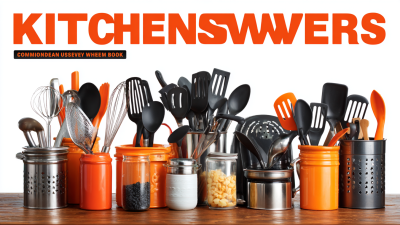
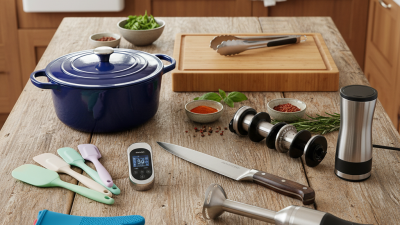
When it comes to mastering the culinary arts, having the right Kitchen Cooking Tools is essential. Every home chef needs a reliable set of tools to enhance their cooking experience. With countless options available, it can be overwhelming. It’s easy to buy tools that look appealing but serve no real purpose. Thus, understanding which kitchen tools truly elevate your cooking is crucial.
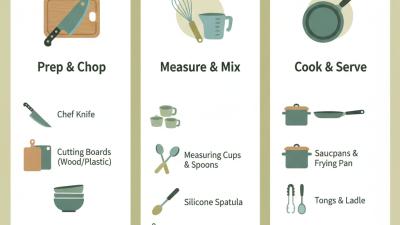
Selecting fundamental Kitchen Cooking Tools can simplify your tasks. A sharp knife, a sturdy cutting board, and quality cookware can make a notable difference. These basics will help you prepare dishes with efficiency and precision. However, it is essential to invest time in learning how to use each tool effectively. Misusing a tool can lead to frustration and unsafe cooking practices.
Moreover, not every tool suits every chef or cuisine. As you develop your skills, you may find certain tools unnecessary for your style. Reflection is key. Consider what dishes you cook frequently. Does your gadget drawer overflow with items you rarely use? This awareness will lead to a more streamlined, efficient kitchen setup, enhancing your culinary journey.
Essential Cookware: Must-Have Pots and Pans for Home Chefs
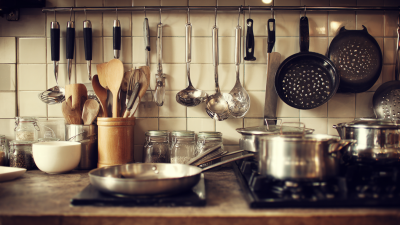
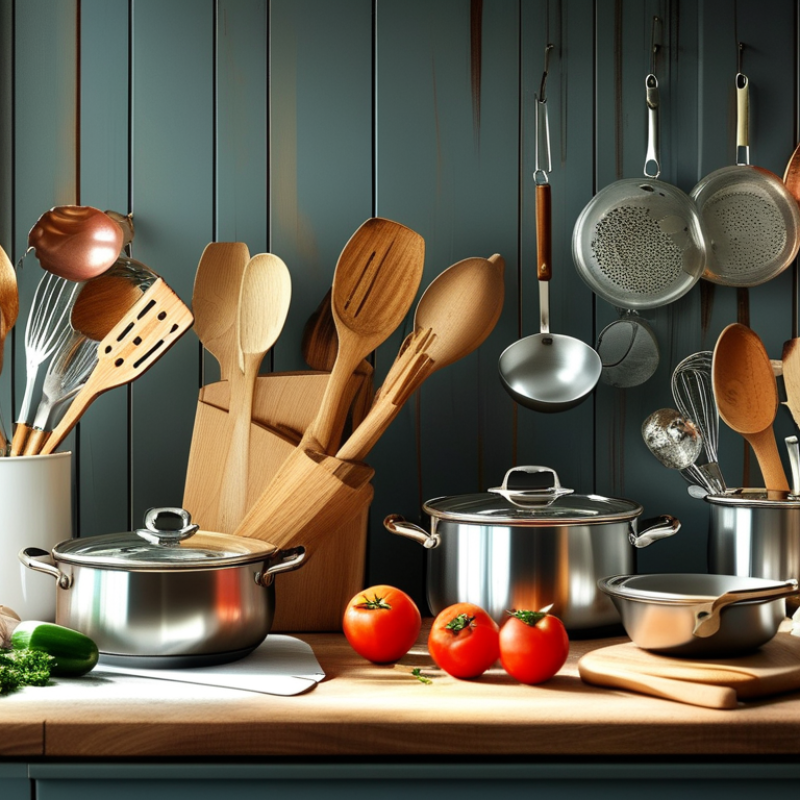
Every home chef needs reliable cookware. Essential pots and pans streamline cooking and enhance flavor. A heavy-bottomed skillet is key. It ensures even heat distribution. Look for non-stick options. They reduce sticking and make cleanup a breeze.
When choosing pots, consider material. Stainless steel is durable and versatile. Cast iron retains heat well, perfect for roasting and frying. However, it can be heavy and requires care. A well-seasoned cast iron pan should be a trusted ally in your kitchen.
Don't overlook the importance of a good stockpot. It’s vital for soups, stocks, and large meals. A good pot should have a sturdy lid. This maximizes flavor retention. Experiment with different cooking techniques, even if the results are imperfect. Each misstep is an opportunity to learn and improve your cooking skills.
Cutting Tools: Selecting the Best Knives for Your Kitchen
Choosing the right knife can elevate your cooking game significantly. A good chef's knife is a staple in any kitchen. Look for one with a balanced feel in your hand. The weight can impact your control while chopping vegetables, slicing meat, or dicing herbs. A well-balanced knife will help you maintain precision.
Consider the blade material as well. Stainless steel is popular for its sharpness and ease of maintenance. Carbon steel, while requiring more care, offers superior sharpness. A sharp knife improves your efficiency and makes cooking more enjoyable. However, frequent sharpening is essential. Neglecting this can lead to frustration while preparing meals.
Don’t forget about the handle too. Comfort is key. An ergonomic handle provides better grip and can reduce hand fatigue during extended use. Try different styles to see what feels right for you. It’s worth taking the time to find a knife that fits well. A poor choice can lead to accidents and dissatisfaction in the kitchen. Make your selection thoughtfully, and your cooking experience will improve.
Baking Essentials: Tools for Perfect Pastry and Bread Making
Baking is both an art and a science, requiring the right tools for success. To achieve perfect pastry and bread, essential tools must be prioritized. A quality stand mixer can significantly impact dough consistency. According to recent industry data, using a stand mixer can reduce mixing time by nearly 50%, yielding better textures. This efficiency allows home bakers to achieve professional results more easily, even if they lack years of experience.
Proper measuring tools are equally vital. For instance, using a digital scale can enhance accuracy, which is crucial in baking. When ingredients are precisely weighed, the likelihood of baking failure decreases dramatically. Research suggests that 75% of baking mishaps arise from improper measurements. Sifting flour, using a bench scraper, and investing in sturdy bakeware can elevate your baking game. These tools will help create flaky pastries that are both visually appealing and delicious, yet they often go overlooked in beginner kitchens.
It's important to recognize common pitfalls. Many overlook oven calibration, using temperature gauges instead of an oven thermometer. This small detail can lead to undercooked or overbaked goods. Additionally, not all baking sheets are created equal; investing in heavy-duty versions can prevent warping. Reflecting on these limitations can refine your approach. Each baking session is a chance to learn, innovate, and improve your skills.
Measuring and Mixing: Accurate Tools for Precise Cooking
In any kitchen, measuring and mixing tools are crucial. Accurate measurements ensure consistency in cooking. A 2020 study by the American Culinary Federation revealed that 75% of chefs consider precise measurements essential for recipe success. Inaccuracies can lead to dish failures, resulting in wasted ingredients and time.
Essential tools include measuring cups, spoons, and mixing bowls. Digital scales are also valuable for accuracy. They provide precise measurements, helping to avoid pitfalls common with volume measurements. For instance, 1 cup of flour can vary between 120 to 150 grams, affecting the texture of baked goods. A good scale takes away guesswork and enhances reliability.
Yet not all tools are foolproof. Some measuring cups have unclear markings, causing confusion. Mixing bowls might not have non-slip features, leading to spills during use. Such issues can derail even seasoned chefs. Investing in high-quality, well-designed tools pays off. It saves time and frustration in the long run.
Kitchen Gadgets: Innovations to Enhance Your Culinary Skills
Innovations in kitchen gadgets can truly enhance your culinary experience. For example, smart thermometers provide precise temperature readings. This tool ensures your meats are perfectly cooked and prevents overcooking. Many home chefs struggle with temperature management. A reliable thermometer helps eliminate that guesswork.
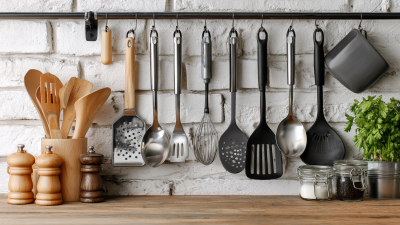
Another interesting concept is multi-functional gadgets. Consider a tool that can chop, slice, and spiralize. It saves time and space in your kitchen. But sometimes, these gadgets can be overwhelming. It’s easy to go overboard with tools. Focusing on a few key items can improve your cooking efficiency.
Quality over quantity often works better in the kitchen. Embracing new technologies can elevate your skills. Yet, you might find that not every innovation suits your cooking style. Reflecting on your experiences can lead to better choices in kitchen tools. Experiment and find out what truly enhances your cooking journey.
Essential Kitchen Cooking Tools Tips for Every Home Chef
| Tool |
Description |
Tips |
| Chef's Knife |
Versatile knife for chopping, dicing, and slicing. |
Keep it sharp; use a cutting board for better control. |
| Cutting Board |
Surface for cutting food items. |
Use separate boards for raw meat and vegetables to prevent cross-contamination. |
| Mixing Bowls |
Bowls for mixing ingredients. |
Choose nesting bowls for easy storage and stability. |
| Measuring Cups |
For accurate measurement of liquid ingredients. |
Use clear cups for measuring to ensure accuracy. |
| Whisk |
Tool for mixing ingredients and incorporating air. |
Use a balloon whisk for airy mixtures and a flat whisk for sauces. |
| Culinary Torch |
Used for caramelizing sugar or searing meats. |
Practice safety and do not use near flammable materials. |