How to Use a Silicone Colander for Easy Drainage and Cooking?
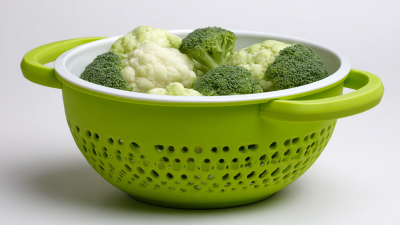
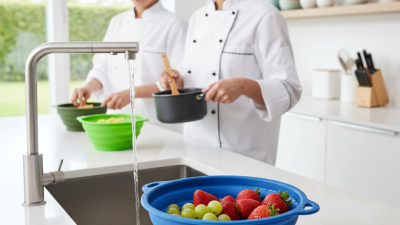
The use of a Silicone Colander in the kitchen can transform your cooking experience. Imagine easily draining pasta or rinsing vegetables without the hassle of traditional methods. Silicone colanders are flexible and lightweight, making them user-friendly. They easily collapse or fold for storage, saving valuable kitchen space.
When you use a Silicone Colander, the drainage becomes effortless. The holes are designed to allow water to pass through while keeping food in place. However, it's important to ensure the colander is placed securely in your sink. A slip can lead to spills, which is a common frustration. Remember to handle it with care, as mishaps can happen in a busy kitchen.
In addition to convenience, the vibrant colors of silicone colanders can brighten your culinary setup. Yet, some may find it challenging to clean, as food particles can sometimes cling to the surface. Think about your cleaning routine before investing. A Silicone Colander is a great tool, but it does require thoughtful usage and maintenance.
What is a Silicone Colander and Its Benefits in Cooking?
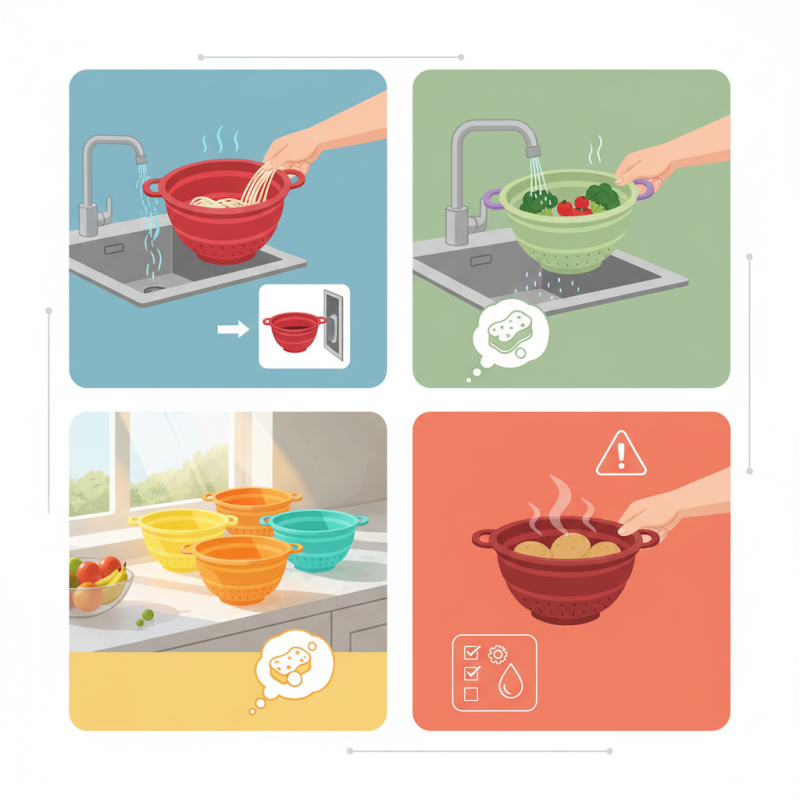
A silicone colander is a versatile tool in modern kitchens. It is made from flexible, durable silicone, which makes it lightweight and easy to store. Unlike traditional colanders, silicone colanders can withstand high temperatures, making them great for draining hot pasta or washing vegetables. According to industry reports, the use of silicone kitchen tools has increased by over 30% in recent years, reflecting a growing preference for practical and multipurpose kitchenware.
The benefits of using a silicone colander in cooking are numerous. They are non-stick, which means food easily slides off without leaving residue. This feature minimizes cleanup time significantly. Furthermore, their ability to fold flat saves valuable storage space. However, some users find that silicone can sometimes leave a slight smell. This is a concern that should be addressed with proper cleaning. It’s essential to thoroughly wash silicone items with hot, soapy water before their first use.
Moreover, silicone colanders are often more affordable than their plastic or metal counterparts. They don't rust or chip, making them a long-lasting investment. Yet, not all silicone is created equal; ensuring that the colander is made from high-quality food-grade silicone is crucial. Remember, some may still prefer the heft and stability of metal colanders. Each type has its place in the kitchen depending on personal preference and cooking habits.
How to Use a Silicone Colander for Easy Drainage and Cooking?
| Feature |
Description |
| Material |
Flexible silicone that is heat-resistant and durable |
| Benefits |
Easy to clean, non-stick, lightweight, and portable |
| Usage |
Ideal for draining pasta, washing vegetables, and cooling food |
| Temperature Resistance |
Can withstand temperatures from -40°F to 446°F (-40°C to 230°C) |
| Storage |
Can be easily collapsed for compact storage |
Choosing the Right Silicone Colander for Your Kitchen Needs
Choosing the right silicone colander for your kitchen is essential. Consider your cooking habits. If you often prepare pasta or rinse vegetables, a larger colander is beneficial. A size that fits comfortably in your sink makes draining easier. Smaller colanders work well for single servings or quick rinsing.
Think about the design features that matter to you. Some silicone colanders have handles for easy lifting. Others fold for compact storage. Ensure the colander can withstand heat. This is crucial if you plan to drain hot foods frequently. A colander that doesn't retain odors or stains is also preferable.
Evaluate the color and style that match your kitchen decor. While functionality is key, aesthetics can enhance your cooking experience. You may find yourself using it more often if you enjoy the look. Lastly, be mindful of how easy it is to clean. Some designs trap food particles, making maintenance a hassle. Invest time in selecting the perfect one for your needs. It can elevate your cooking game in many small ways.
Step-by-Step Guide to Using a Silicone Colander for Drainage
Using a silicone colander can revolutionize your cooking experience with easy drainage. Start by selecting your ingredients, whether it’s pasta, vegetables, or fruits. Place the colander in the sink or bowl. Unlike traditional colanders, silicone options offer flexibility. They can be squeezed to drain liquid without spilling your food.
When draining pasta, keep an eye on the cooking time. The FDA reports that about 70% of consumers prefer non-stick cooking tools. Silicone colanders are non-toxic and heat-resistant, making them safe to use. Rinse the colander after each use to prevent any buildup of food particles. Sometimes, silicone can retain odors. A simple wash with vinegar can help mitigate that.
Consider the size and shape of your colander. A larger one is good for family meals, but it can be heavy when filled. A smaller colander may not accommodate larger batches. Balance is crucial. You want ease of use without compromising capacity. Remember, even durable materials can wear out over time. Regular inspection can save you from unexpected spills.
Creative Cooking Techniques with Silicone Colanders
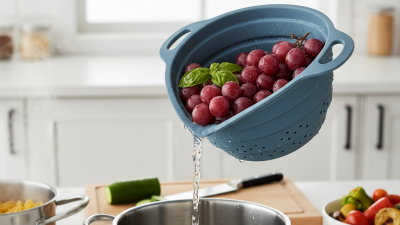
Silicone colanders are versatile kitchen tools that can elevate your cooking techniques in many ways. Their flexible design allows for easy pouring and draining, unlike traditional colanders. You can easily flip them inside out to release food effortlessly. Imagine draining pasta with no mess. The silicone material is both lightweight and durable, making it ideal for everyday use.
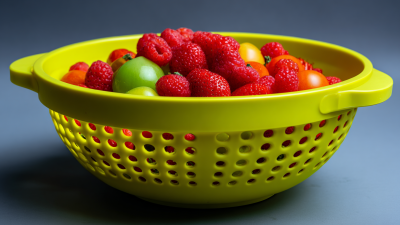
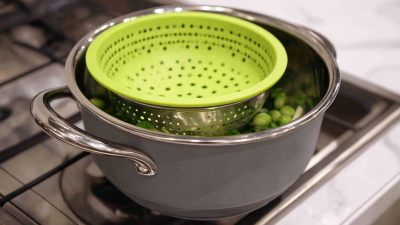
Consider using a silicone colander for cleaning fruits and vegetables. The holes are small enough to keep dirt and debris contained. It’s perfect for washing berries or leafy greens. You can also use it to steam vegetables. Just place the colander over a pot, cover it, and let the steam work its magic. The colors of the vegetables stay vibrant, and they taste fresh.
However, silicone colanders can have drawbacks. They may retain some odors from stronger foods. It’s essential to clean them properly to avoid lingering smells. Some people find them too flexible, making draining rice or grains a challenge. You might need to adjust how you handle them. Being open to experimenting will improve your cooking experience.
Usage of Silicone Colanders in Cooking
Cleaning and Maintaining Your Silicone Colander for Longevity
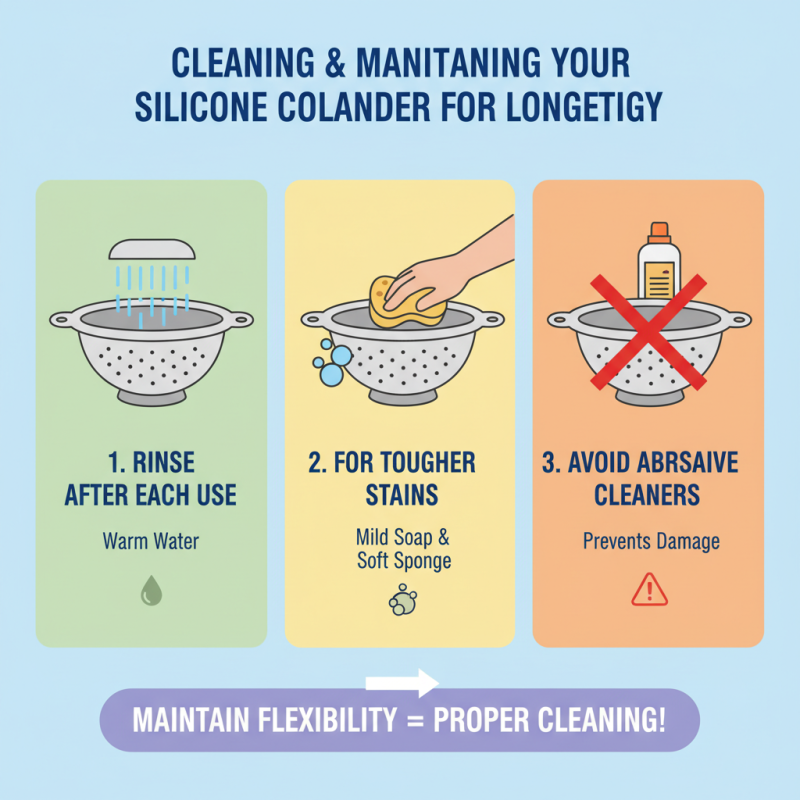
Cleaning your silicone colander is crucial for its longevity. After each use, rinse it with warm water. For tougher stains, a soft sponge with mild soap works well. Avoid using abrasive cleaners, as they can damage the silicone. Remember, maintaining its flexibility depends on how well you clean it.
Tips: Always let your colander air dry. This prevents any moisture buildup, which can lead to mold. Storing it in a cool, dry place protects it further.
Regular checks are essential. Look for any signs of wear or tears. If you notice any, it’s better to replace it. A damaged colander won't serve its purpose. Silicone can lose its non-stick quality over time, especially with improper care. So, stay vigilant.