What is a Plastic Container and How is it Used?
Plastic containers have become an essential part of our daily lives. According to Dr. Emily Carter, a leading expert in the plastic industry, “Plastic containers are versatile tools that serve countless purposes.” From food storage to industrial applications, these containers facilitate efficient organization and protection.
However, the ubiquity of plastic containers brings challenges. While they offer convenience, they also contribute to environmental concerns. Many plastics are single-use and not biodegradable. The disposal of plastic containers requires serious consideration. For example, recycling systems often fail to keep up with the demand for sustainable solutions.
Consumers must reflect on their usage of plastic containers. Are we really making responsible choices? The convenience they provide can sometimes blind us to the long-term impact. Understanding their benefits and drawbacks is crucial. We need to find a balance between practicality and sustainability.
Definition and Characteristics of Plastic Containers
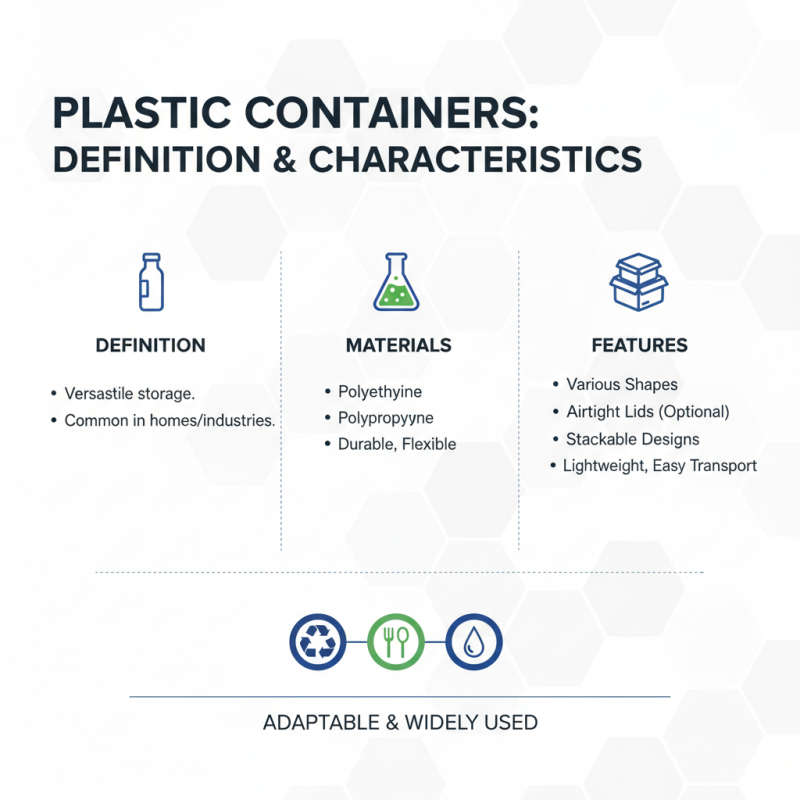
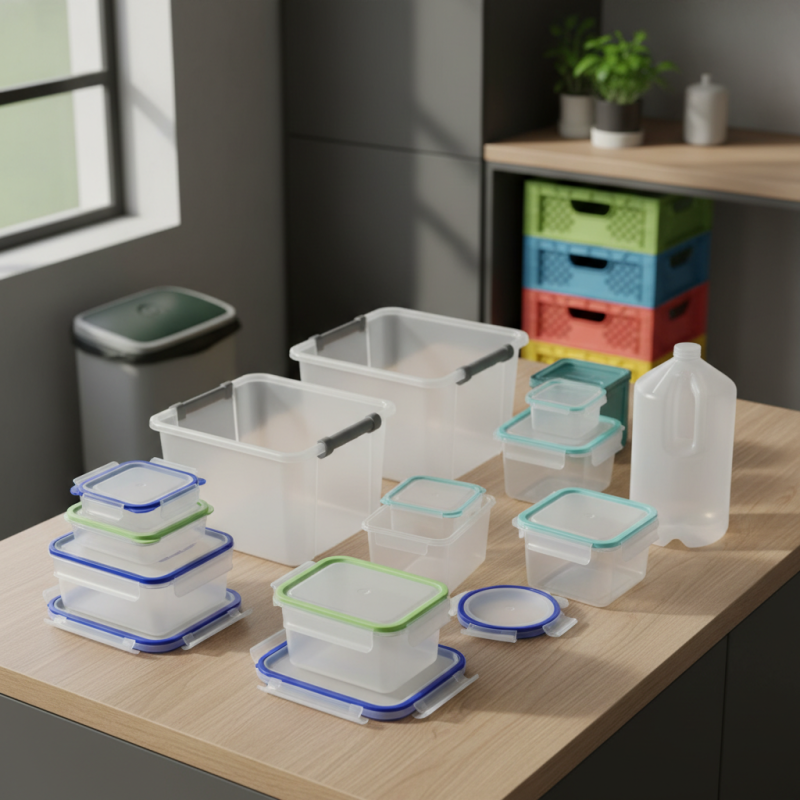
Plastic containers are widely used for various purposes, making them a common sight in homes and industries. They are made from different types of plastics, such as polyethylene and polypropylene. These materials provide durability and flexibility, allowing the containers to be shaped in many forms. Some containers come with airtight lids, while others are designed for easy stacking. Their lightweight nature makes them easy to handle and transport.
Many characteristics define plastic containers. They are often resistant to moisture, which helps preserve food quality. Moreover, their transparency allows users to see the contents without opening them. However, not all plastic containers are created equal. Some are intended for single use, leading to waste and environmental concerns. Others may leach harmful chemicals over time. It's essential to choose containers that are safe for the intended use, especially for food storage.
In daily life, plastic containers provide convenience. They are used for meal prep, storing leftovers, and organizing items. Yet, people often overlook the potential hazards. Improper cleaning can lead to bacterial growth. Likewise, heating plastic containers in the microwave may release harmful substances. Thus, while plastic containers offer numerous advantages, it’s crucial to be mindful about their safety and environmental impact.
Types of Plastic Containers and Their Common Applications
Plastic containers play a crucial role in various industries. They come in many forms, including bottles, jars, and bins. These containers are lightweight and durable, making them ideal for storage and transportation. According to recent industry reports, the global plastic container market was worth approximately $120 billion in 2021, with a projected growth rate of 5% annually.
Various types of plastic containers serve specific needs. For instance, PET bottles are widely used in the beverage industry. Meanwhile, HDPE containers are standard for household products. These materials offer excellent resistance and can be recycled efficiently. The food service industry utilizes polypropylene for its low thermal expansion and chemical resistance. This versatility enables efficient packaging and storage solutions.
Tips for choosing the right container include considering the materials. Not all plastics are created equal. Check the recycling codes when selecting. Additionally, it’s essential to understand the storage needs, such as heat resistance or impact resistance. Sometimes, the cheaper option may not be the best choice long-term. Invest in quality, especially for critical applications. Understanding these aspects can lead to better decisions in plastic container use.
Types of Plastic Containers and Their Common Applications
Advantages of Using Plastic Containers in Daily Life
Plastic containers are a staple in many households. Their lightweight nature makes them easy to handle. They come in various shapes and sizes, accommodating different storage needs. From food items to crafting supplies, plastic containers serve multiple purposes. They are stackable, helping to save space in crowded kitchens or storerooms.
One of the major advantages of plastic containers is their durability. They resist breaking and can withstand daily use. This is particularly beneficial in homes with children.
However, not all plastics are created equal. Some may degrade over time, especially under heat. It's essential to choose the right container for the right purpose.
Another point to consider is their convenience. Plastic containers are often designed with features like airtight seals and transparent bodies. This makes it easy to see contents at a glance. Yet, some individuals may worry about the environmental impact of plastic use. While they offer ease, it's important to reflect on sustainability. Reusing and recycling plastic containers can help minimize waste.
Environmental Impact of Plastic Containers and Recycling Options
Plastic containers have become an integral part of daily life. They are used for food storage, packaging, and transportation. However, their convenience comes at a cost to the environment. Most plastic containers are single-use. This leads to massive amounts of waste in landfills and oceans. Plastics can take hundreds of years to decompose. Wildlife often ingests plastic, leading to severe consequences.
Recycling is a critical option to mitigate the environmental impact. However, the recycling rates are surprisingly low. Many plastic containers end up being discarded instead of processed. The recycling process itself can be complicated. Different types of plastics require different recycling methods. It's crucial for consumers to check local recycling guidelines. Not all plastics are recyclable. Sometimes, efforts can feel futile.
Compounding the issue, many people underestimate the importance of reducing usage. Choosing reusable containers can make a significant difference. Educating others about recycling plays a vital role. We must reflect on our habits. Simple changes can lead to meaningful outcomes. It’s not just about the convenience of plastic containers. It’s about creating a sustainable future.
What is a Plastic Container and How is it Used?
| Container Type |
Common Uses |
Environmental Impact |
Recycling Options |
| PET Containers |
Bottled beverages, food packaging |
Can release harmful chemicals if heated; recyclable |
Widely accepted in curbside recycling programs |
| HDPE Containers |
Milk jugs, detergent bottles, toys |
Low risk of leaching; recyclable, less impact on the environment |
Recyclable; check local guidelines |
| PVC Containers |
Food wrap, plumbing pipes, bottles |
Environmental concerns over harmful additives |
Not typically recycled; should be disposed of properly |
| LDPE Containers |
Grocery bags, some food containers |
Considered low risk; hard to recycle in many areas |
Check local recycling programs; options may vary |
| PP Containers |
Yogurt containers, straws, food containers |
Relatively safe; less impact, but still non-biodegradable |
Can be recycled; check local guidelines |
Best Practices for Storing and Using Plastic Containers
Plastic containers are popular for storing food and other items. They are lightweight and come in various sizes. However, many people make mistakes when using them. It’s crucial to understand best practices to ensure safety and longevity.
One key practice is to avoid microwaving containers not labeled as microwave-safe. This can lead to the release of harmful chemicals. Always check for recycling symbols that indicate safe usage. When cleaning, avoid abrasive cleaners that can scratch the surface. This can harbor bacteria and affect the container's integrity.
Storage temperature matters too. High heat can deform plastic, making it less reliable. It's best to keep containers in a cool, dry place. Over time, some plastics can become brittle. Regularly inspect your containers for cracks. If you notice any, it’s time to replace them. Proper usage and care can extend their life and ensure safety.