10 Essential Tips for Efficiently Using Stacking Containers in Your Space
In today's fast-paced world, maximizing space efficiency has become paramount, particularly for individuals and businesses alike. One effective solution that has gained popularity is the use of stacking containers. These versatile storage units not only save space but also enhance organization and accessibility. By understanding how to utilize stacking containers effectively, you can transform cluttered environments into streamlined, functional areas.
Stacking containers are available in various sizes and materials, making them suitable for a wide range of applications, from home organization to industrial storage. However, utilizing them efficiently requires strategic planning and consideration. The following tips will guide you in optimizing the use of stacking containers, ensuring that you make the most of your available space while maintaining order and simplicity.
Whether you're trying to tidy up a living space, manage inventory, or create a more functional workspace, mastering the art of stacking containers can lead to remarkable improvements in both efficiency and aesthetics.
Maximizing Vertical Space: Creative Ways to Arrange Stacking Containers
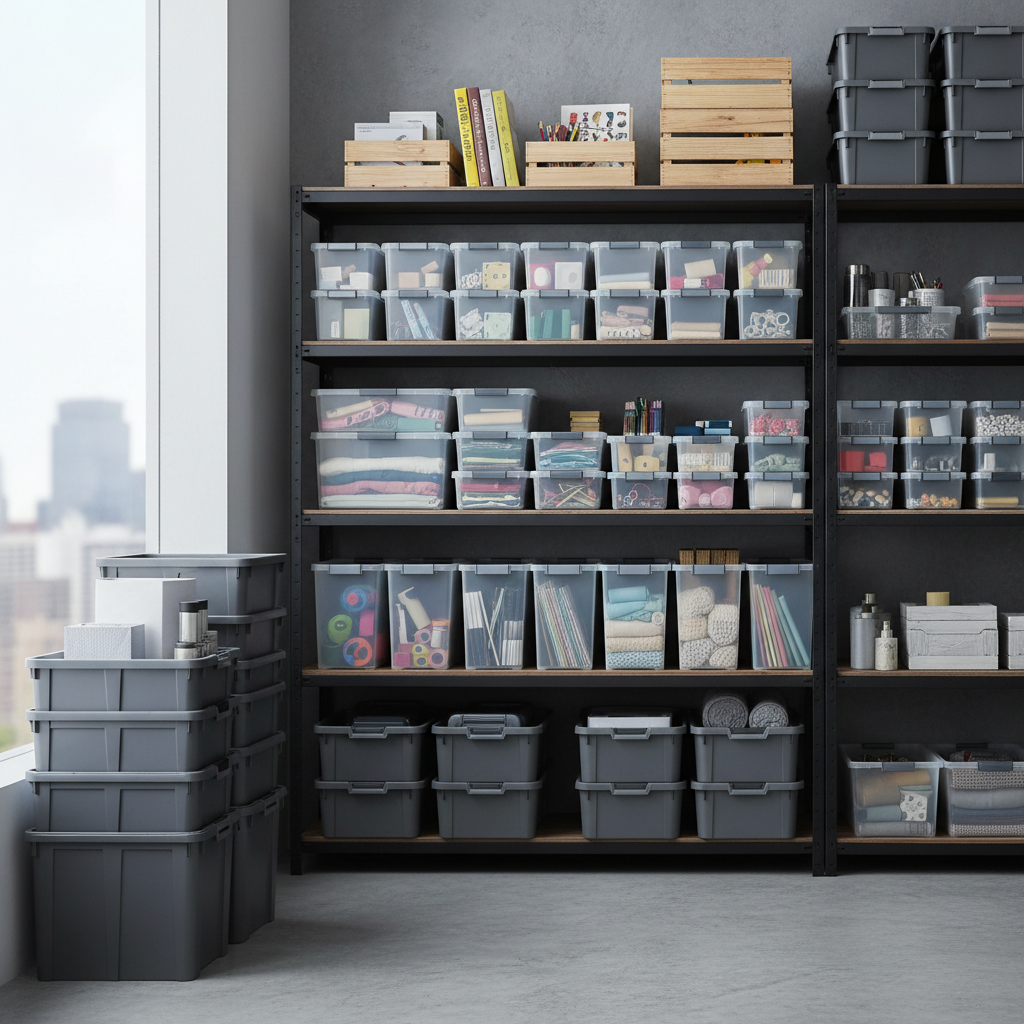
Maximizing vertical space is crucial when it comes to organizing your home or office efficiently, and stacking containers offer a versatile solution. One creative way to arrange stacking containers is by utilizing wall-mounted shelves. This not only keeps your floor space clear but also allows you to vary the height of your storage, creating an interesting visual dynamic in the room. You can group similar items together in clear containers to maintain an organized look while ensuring easy access to your belongings.
Another innovative approach is to mix and match stacking containers of different sizes. By arranging larger containers on the bottom and smaller ones on top, you can create a tiered effect that adds depth and character to your storage solutions. Additionally, incorporating labels on each container will enhance usability and declutter your space further. This strategy enables you to maximize vertical storage while maintaining a cohesive and stylish aesthetic that complements your overall decor.
Distribution of Effective Stacking Container Uses
Choosing the Right Materials: Understanding Container Options for Durability
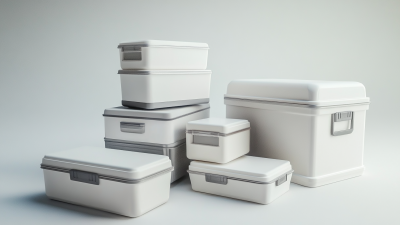
When it comes to efficiently using stacking containers, choosing the right materials can significantly impact their durability and overall effectiveness. Various options are available, including plastic, metal, and fabric.
Plastic containers are lightweight and often resistant to moisture, making them ideal for indoor use. They come in various sizes and colors, allowing for easy organization, but it’s essential to choose high-density polyethylene (HDPE) for lasting strength.
Metal containers, on the other hand, offer exceptional durability and are perfect for outdoor use or storing heavier items. Whether opting for stainless steel or aluminum, ensure that the selected metal is rust-resistant to prolong the container's life.
Additionally, fabric containers, like canvas or sturdy polyester, provide flexibility and breathability, which can be advantageous for specific applications, such as storing clothing or blankets. Each material has its unique set of advantages, so consider the specific items you intend to store and the environmental conditions they will be exposed to in order to make an informed choice.
Labeling Strategies: Enhancing Organization with Clear Identification
When using stacking containers to maximize your organizational efforts,
labeling strategies play a crucial role.
Clear identification helps you quickly find what you need while keeping your space tidy.
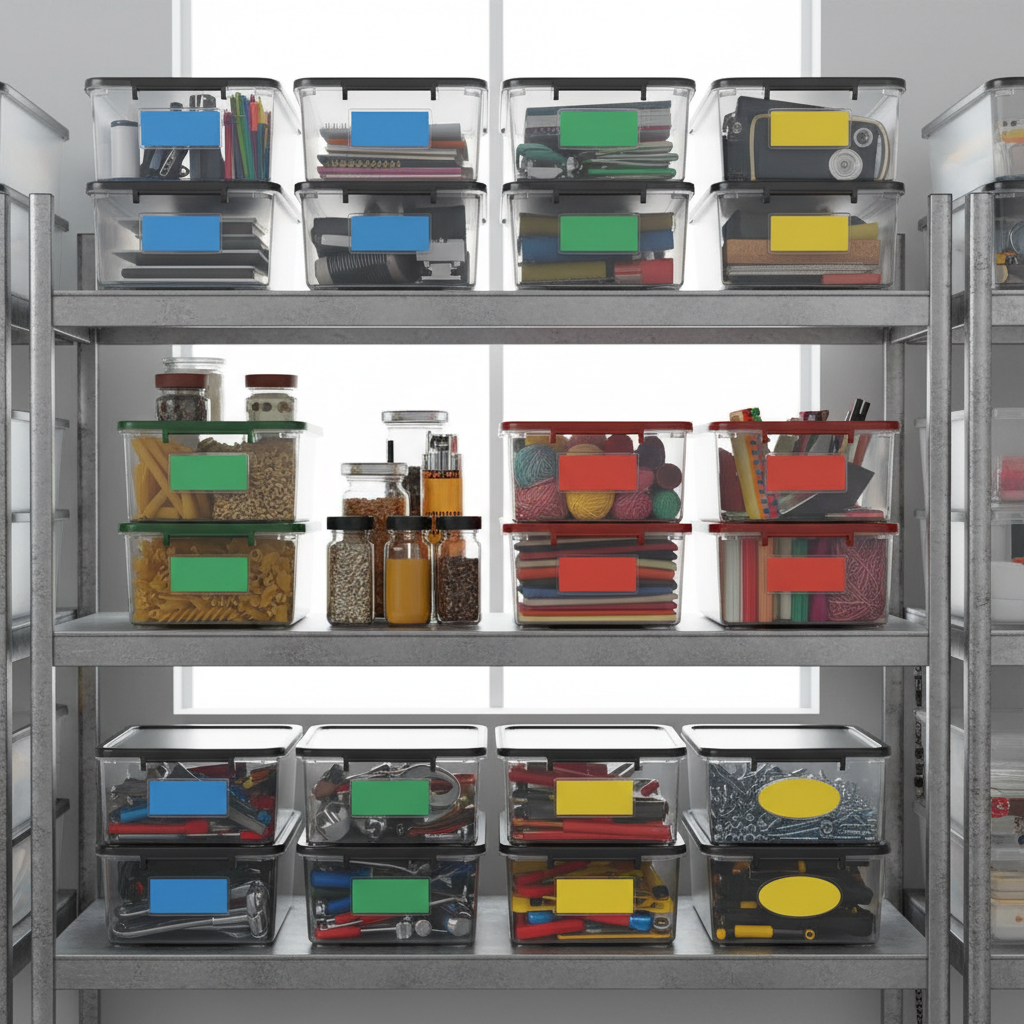
Consider using a color-coded system to differentiate between various categories of items.
For instance, blue labels could represent office supplies, while
green could signify kitchen items. This visual cue will provide an at-a-glance understanding of
your organizational system, making it easier for everyone in the household or office to maintain the setup.
Another effective tip is to utilize easily adjustable labels. These can be written with dry-erase markers, allowing you to update the contents whenever you change your organization system without the need for creating new labels.
This dynamic approach not only saves time but also reduces waste. Remember to position labels at the front and side of the containers, so they’re visible from all angles.
By implementing these strategies, you’ll enhance the efficiency of stacking container usage and foster a more organized space that encourages productivity and ease.
Maintenance Matters: Tips for Keeping Your Stacking Containers Clean and Functional
When it comes to maximizing the utility of stacking containers, maintaining their cleanliness and functionality is key. Regular maintenance will not only prolong the life of your containers but also ensure that they remain safe for storing your items. One effective tip is to wash your containers regularly with warm soapy water, particularly if they have been used for food storage. This practice helps prevent any build-up of odors or bacteria, keeping your containers fresh and ready for use at all times.
Another important aspect of maintenance is inspecting your stacking containers for any signs of wear and tear. Check for cracks, chips, or any structural damage that might affect their stability when stacked. If you discover any issues, it’s wise to replace them promptly to avoid accidents or spills. Additionally, using a protective liner can prevent scratching and minimize wear when stacking, ensuring your containers maintain their aesthetic appeal while being functional.
Lastly, storing your containers properly can make a significant difference in their longevity. Ensure that they are dry before stacking and avoid overloading them, as this can lead to deformation or damage. By adopting these maintenance tips, you will keep your stacking containers clean, functional, and visually appealing, allowing you to utilize your space efficiently.
Customizing Your Setup: Adapting Stacking Solutions to Fit Your Unique Needs
Customizing your setup is key to making the most of stacking containers in any space. By evaluating your unique needs, you can adapt stacking solutions that maximize efficiency and maintain aesthetic appeal. For example, incorporating adjustable shelves and modular containers can accommodate different items, providing both organization and flexibility. Research indicates that optimized storage solutions can increase workspace efficiency by up to 30%, highlighting the importance of tailoring your container setup.
To effectively utilize stacking containers, consider these tips: first, assess the specific dimensions of your space and plan the layout accordingly. Utilizing clear containers will help you quickly identify contents while keeping everything accessible. Secondly, implement a labeling system for easy retrieval and better inventory management. This approach aligns with findings that suggest organized spaces lead to increased productivity, as employees spend significantly less time searching for items. Lastly, periodically reassess your configuration to ensure it continues to meet your evolving needs, maintaining an adaptable environment that enhances both functionality and style.
10 Essential Tips for Efficiently Using Stacking Containers in Your Space - Customizing Your Setup: Adapting Stacking Solutions to Fit Your Unique Needs
| Tip Number |
Tip Description |
Recommended Container Type |
Best Usage Scenario |
| 1 |
Assess your space and plan your layout. |
Open Storage Bins |
Living Rooms, Organizing Toys |
| 2 |
Choose transparent containers for visibility. |
Clear Plastic Boxes |
Closets, Crafting Supplies |
| 3 |
Label each container for easy identification. |
Stackable Storage Totes |
Garage, Seasonal Items |
| 4 |
Utilize vertical space effectively. |
Modular Stacking Units |
Office, Books, Files |
| 5 |
Incorporate stackable bins with lids for stability. |
Lidded Storage Bins |
Attics, Long-term Storage |
| 6 |
Mix different sizes for flexibility. |
Various Sized Containers |
Kitchens, Pantry Items |
| 7 |
Create a routine for regular decluttering. |
Any Type of Container |
All Areas, Regular Maintenance |
| 8 |
Implement specialized containers for specific items. |
Shoe or Toy Storage |
Kids Rooms, Entryways |
| 9 |
Select durable materials for long-lasting use. |
Heavy-duty Plastic Containers |
Construction Sites, Outdoor Use |
| 10 |
Customize your stacking layout to fit your style. |
Decorative Storage Boxes |
Living Rooms, Displaying Items |