What is a Colander Strainer and How to Use It?
A colander strainer is an essential kitchen tool for any cook. It’s often overlooked, yet it plays a vital role. This simple device helps you drain pasta, rinse vegetables, and even wash fruit. Using a colander strainer can be quick and easy, but many still struggle with it.
You might wonder how to use it effectively. Proper technique ensures you won’t lose food or make a mess. Recognizing its shape and design is also crucial. A colander strainer has holes that allow liquids to escape but keep solid food in. This can seem straightforward, yet some still find themselves confused. They may forget to adjust the angle or hold it steadily.
Incorporating a colander strainer into your cooking routine can save time. However, understanding its uses is important. It’s not just about draining; it’s about maximizing efficiency in the kitchen. Take a moment to reflect on how often you use it and if you could improve your techniques. After all, every great cook knows the value of this simple appliance.
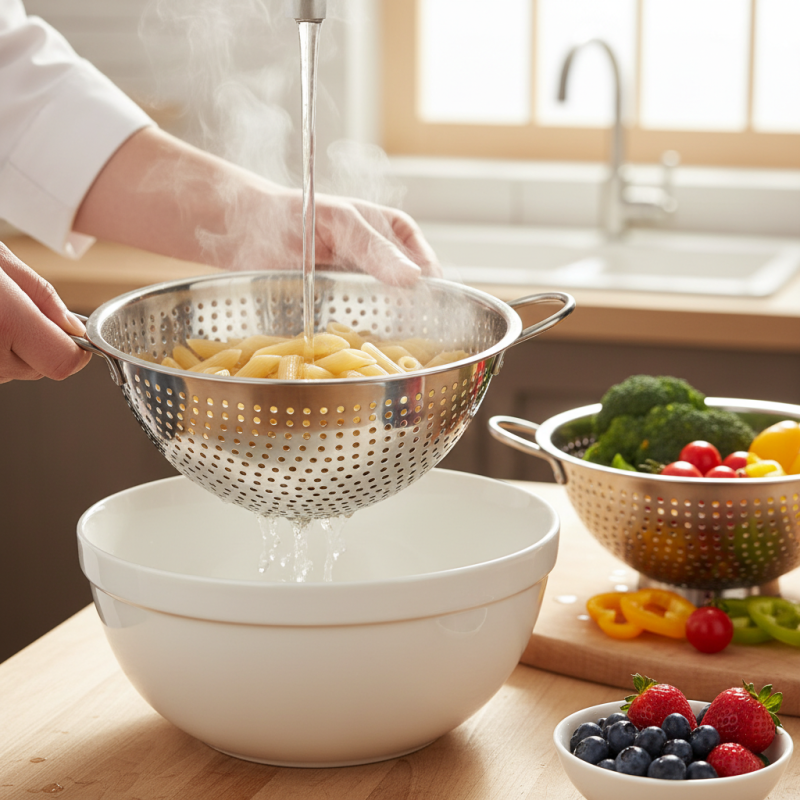
What is a Colander Strainer?
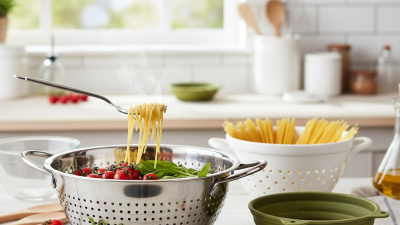
A colander strainer is a kitchen tool designed for draining liquids from food. Typically made of metal, plastic, or silicone, colanders feature numerous small holes that allow liquid to pass through. This simple yet effective design is crucial for tasks like draining pasta or rinsing vegetables. According to the United States Department of Agriculture, proper washing can reduce pesticide residues by 90%. A colander helps ensure thorough rinsing, enhancing food safety.
Using a colander may seem straightforward, yet it requires attention. Improper placement can lead to spills. For example, if the colander is not stable, hot water could splash. Safety is vital when handling boiling water. Research shows that over 30% of kitchen accidents occur due to improper handling of utensils. Ensuring a sturdy grip on the colander while draining pasta can prevent burns and messes.
Some cooks overlook the importance of drying their food post-drainage. Excess moisture can dilute flavors. For instance, if you do not dry fresh herbs thoroughly, their flavor can be muted. This reflects a common oversight in the kitchen where attention to detail is critical. A colander strainer is more than just a tool; it's a gateway to better food preparation when used mindfully.
The History and Evolution of Colander Strainers
Colander strainers have a rich history that dates back to ancient civilizations. The earliest versions likely emerged in the Mediterranean. Early cooks needed a way to separate liquids from solids. They used clay or woven materials for this task. Over centuries, the design evolved significantly. Metal was introduced, enhancing durability and functionality. Modern colanders are typically made from stainless steel or plastic.
In the kitchen, colanders serve various purposes. They drain pasta and rinse vegetables. A well-designed colander must allow water to escape, but not the food. Yet, some designs fall short; the holes can be too large or too small. These flaws remind us that not all colanders are created equal. Evolution is not without missteps. Each cook may find different advantages or disadvantages in their strainers. What works for one may not suit another. This imperfect journey reflects the ongoing development of kitchen tools. It makes us think about what we truly need in our kitchens.
Different Types of Colander Strainers Available
Colander strainers are essential kitchen tools. They come in various styles, each designed for specific tasks. Some are made from stainless steel, while others use plastic or silicone. Traditional metal colanders have a classic look and are often very durable. They can handle hot foods without warping. However, they can be quite heavy when filled.
Plastic colanders are lighter and often come in vibrant colors. They are great for washing vegetables or draining pasta. Yet, they may not withstand high heat as well as metal versions. Silicone colanders are flexible and easy to store. They can collapse, saving space in your kitchen. But, they might struggle with small items, making it easy for food to slip through.
Mesh colanders offer a different function. They provide fine straining, ideal for rinsing grains or sifting flour. However, cleaning can be an issue, as food particles may get stuck in the mesh. Each type has its pros and cons. Choosing the right colander strainer often comes down to personal needs and preferences. It’s not always straightforward.
Step-by-Step Guide on How to Use a Colander Strainer
A colander strainer is a kitchen essential designed for draining liquids from food. Whether you’re rinsing vegetables or draining pasta, mastering its use is key. Here’s a step-by-step guide to help you navigate this handy tool.
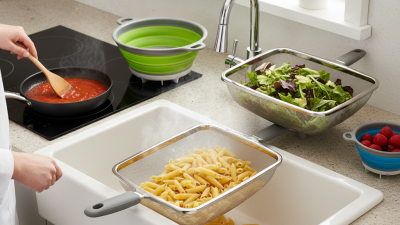
Begin by placing the colander in your sink. Ensure it sits securely and won’t tip over. Fill your pot with the food you want to strain, like pasta or washed fruits. Carefully lift the pot and pour the contents into the colander. Be mindful of how quickly you pour. Spillage can be messy and frustrating.
After draining, let the colander sit for a minute. This allows excess water to escape. You might notice some food pieces slipping through; that's okay. You can always catch them later or adjust your straining method. For smaller items, use a fine mesh colander next time. With practice, you'll find ways to improve your efficiency. Each use is a learning experience, and even seasoned cooks make mistakes.
Cleaning and Maintaining Your Colander Strainer
Cleaning your colander strainer is essential for maintaining its functionality. After each use, rinse it thoroughly under running water. Stubborn food particles can be a hassle. Sometimes, soaking it in warm, soapy water works well. Remember, don't leave it soaking for too long; it can cause the material to degrade.
To keep your colander in good shape, avoid using abrasive sponges. They can scratch the surface and damage it. Try using a soft cloth or a non-abrasive sponge. Dry it completely after washing. This helps to prevent rust or mildew, especially in metal colanders.
**Tips:**
- Store your colander in a dry place.
- Regularly check for any cracks or wear.
- If your colander has any discoloration, consider replacing it.
Neglect can lead to a dirty and less effective strainer. Make cleaning a habit, and your colander will serve you well for years.