Welcome to this website!

Choosing the right Silicone Strainer seems simple until water drains slowly or noodles slip through the holes. A practical choice should match your cooking habits, sink space, and food preparation needs. During kitchen testing, I compare flexibility, drainage speed, handle strength, and cleaning comfort. Silicone should feel soft enough to fold, but firm enough to hold a bowl of hot pasta. Small details matter. A raised base can keep food away from a wet sink surface. Wide handles may also improve control when the strainer is full.
Material quality deserves careful attention. Look for food-contact silicone and clear manufacturer information about temperature resistance. A reliable product should not release a strong chemical odor after washing. It should also resist staining from tomato sauce, turmeric, and oily soups. Hole size affects performance. Fine holes suit rice, quinoa, and small berries, while larger openings drain vegetables faster. The best option depends on your recipes, not only its appearance.
My early choice was too small. It looked neat, but it overflowed when I rinsed a large batch of lettuce. That mistake taught me to check capacity before buying. I still think collapsible designs are useful, although some lose their shape over time. Reviews can help, but they should be compared with product specifications and real cleaning experiences. This guide will examine those practical details, helping you choose a Silicone Strainer with better confidence and fewer disappointing surprises.
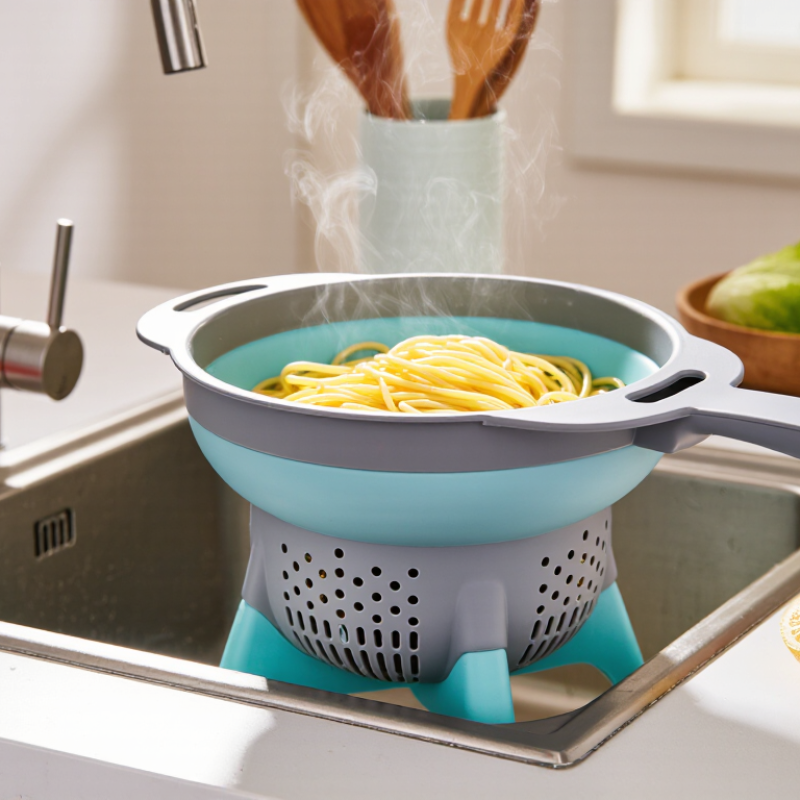
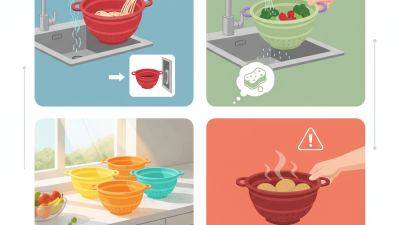
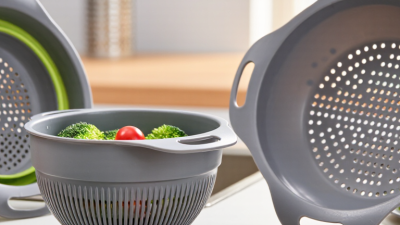
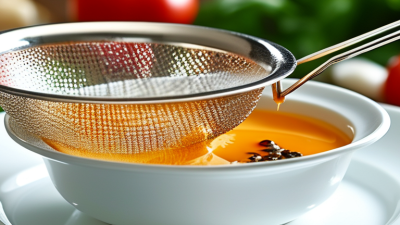
Silicone strainers come in several practical forms, and each suits a different kitchen task. A collapsible basket works well for pasta, vegetables, and rinsing fruit. Its flexible walls fold flat, which helps in crowded drawers. A clip-on strainer fits saucepans and catches noodles without moving hot contents into another bowl. For tea, herbs, or small portions, a fine-mesh silicone strainer offers better control. Holes and mesh matter. Large openings drain quickly but may release rice or seeds.
In daily use, I check heat resistance, handle stability, and cleaning access before choosing one. Food-grade silicone should feel firm, not sticky, and should not hold strong odors after washing. A stable rim reduces spills when water rushes through. However, no strainer does everything perfectly. A collapsible model may wobble under heavy pasta, while fine mesh can drain slowly. I once chose a compact design for convenience and regretted it when narrow slots trapped spinach. That small failure changed my selection habit: match the strainer to the ingredient, volume, and pot size. Always follow the stated temperature limits.
Tips: Test the fit over your largest pot. Hold it under running water. Check that steam can escape safely. Avoid scraping silicone with sharp tools. Dry the folds completely, because trapped moisture can create unpleasant smells. Replace a damaged strainer, even if it still looks usable.
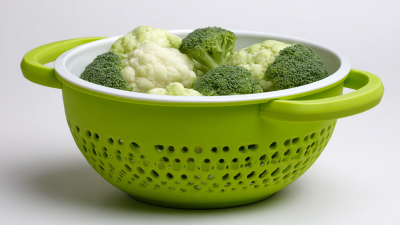
Material safety should guide your choice before color, shape, or price. Look for food-grade silicone with clear compliance information for your region. Reliable sellers should identify testing standards, not simply print “non-toxic” on the package. Check whether the strainer contains fillers, strong odors, or loose plastic parts. A sharp chemical smell may fade, but I would not ignore it. Wash the strainer before use and inspect the surface under bright light. Smooth silicone is easier to clean and less likely to hold food residue.
Heat resistance matters during draining pasta, blanching vegetables, or rinsing hot rice. Read the stated temperature range carefully. Some strainers tolerate boiling water but are not suitable for ovens or direct flames. Never rest soft silicone against a hot pan edge unless the instructions allow it. The handle should remain stable, even when steam rises around your hand. My practical test is simple: fill the strainer slowly, lift it with one hand, and watch for bending around the rim. Small movement is normal. Excessive sagging is not.
Durability depends on thickness, reinforced edges, and secure connections. A thin bowl may collapse when filled with potatoes. Check the drainage holes for even spacing and clean molding. Avoid tools with torn seams or sticky surfaces. Dishwasher use can save time, but repeated high heat may shorten the product’s life. I have sometimes chosen a lighter strainer for convenience, then regretted its weak grip. That mistake is worth noticing. A sturdy, comfortable design usually performs better during daily cooking.
Choosing a silicone strainer starts with the food you prepare most often. A 16–20 cm model suits berries, rice, and single servings. For pasta, choose at least 24 cm. Its capacity should exceed your normal portion by roughly 30%. This leaves room for stirring without spilling. A shallow bowl drains quickly, while a deep bowl holds heavier vegetables securely. I once chose a compact strainer for family pasta. It looked neat, but the noodles piled above the rim. That mistake was avoidable.
Shape also affects control. Side handles help when the strainer rests over a pot. A stable base is useful for rinsing produce in a sink. Fine perforations suit quinoa and small grains, but they may drain slowly. Wider holes release water faster from pasta and leafy vegetables. Check the heat rating and food-contact documentation. NSF/ANSI 51 covers materials used in commercial food equipment. The FDA Food Code 2022 also emphasizes cleanable, durable food-contact surfaces. Silicone alone does not guarantee safe performance. Poorly supported edges can bend under a full load.
Tips: Measure your sink first. Then measure your largest pot. Select a capacity slightly larger than both routine portions and the food’s swelling space. Test the grip with wet hands. Avoid choosing only by color or storage size. A collapsible design saves cabinet space, but its folds can retain residue. Inspect those folds after washing. Not every convenient shape works equally well.
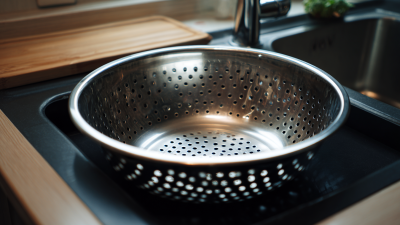
A silicone strainer should drain quickly, stay steady, and feel comfortable during daily use. I test these features with pasta, rinsed vegetables, and small grains. The drainage design matters most when water collects around food. Look for evenly spaced holes across the base and lower sides. Narrow slots can drain slowly or trap rice. Very large openings may let herbs or berries escape. A flexible body also helps you press out excess water, but excessive softness can make pouring awkward.
Handles deserve close attention. They should remain cool, provide a firm grip, and extend far enough over the sink. Textured surfaces help when your hands are wet. Check whether the handles bend under the weight of cooked noodles. They should not. Stability is equally important. A wide base or secure sink rests can prevent tipping. I once chose a lightweight model that looked convenient, but it twisted when filled. That small flaw made draining hot food unnecessarily risky.
Tips: Test the strainer with one cup of water before regular use. Watch how fast it leaves the bowl. Place it in your sink and press the rim gently. If it slides easily, stability may be poor. Inspect the silicone for thin corners or uneven seams. These areas can weaken over time. Avoid choosing by appearance alone. My first impression has been wrong before. Consider storage too, because a stable strainer may still be difficult to fold or hang.
When choosing a silicone strainer, cleaning ease should come before appearance. USDA food-safety guidance recommends washing hands for at least 20 seconds, yet utensil cleaning often receives less attention. A strainer with smooth, nonporous silicone and wide drainage holes is easier to rinse thoroughly. Avoid deep folds that trap rice, pasta starch, or oily sauce. I prefer models that can be opened fully and inspected under bright kitchen light. Small residue can hide surprisingly well.
Storage also affects daily value. The 2023 American Time Use Survey reports that Americans spend substantial time on food preparation and cleanup, with household patterns varying by age and gender. A collapsible strainer may save drawer space, especially in compact kitchens. However, thin silicone can collapse during heavy use. That design is convenient, but not always practical. Check whether the rim stays firm over a full pot. Measure your cabinet before buying. I once underestimated this detail.
Overall value requires more than a low purchase price. Compare the expected service life, cleaning effort, heat resistance, and storage footprint. The U.S. FDA Food Code emphasizes cleanable food-contact surfaces, making smooth construction a sensible quality benchmark. Divide the price by realistic uses, not promised durability. A cheaper strainer that retains odors or tears early may cost more over time. I would also question exaggerated “dishwasher-safe” claims unless the care instructions explain temperature limits. Evidence matters more than polished packaging.