How to Choose the Right Glass Containers for Food Storage?
Choosing the right glass containers for food storage can be challenging. As expert Sarah Johnson, a leading authority in sustainable kitchen solutions, states, "Not all glass containers are created equal. Choose wisely." This insight emphasizes the importance of understanding your needs.
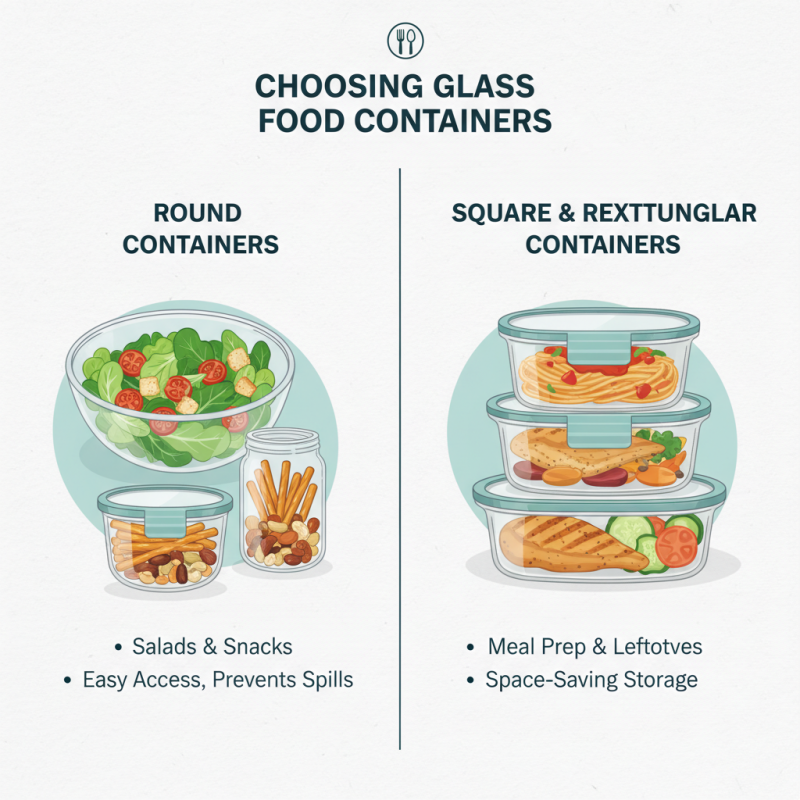
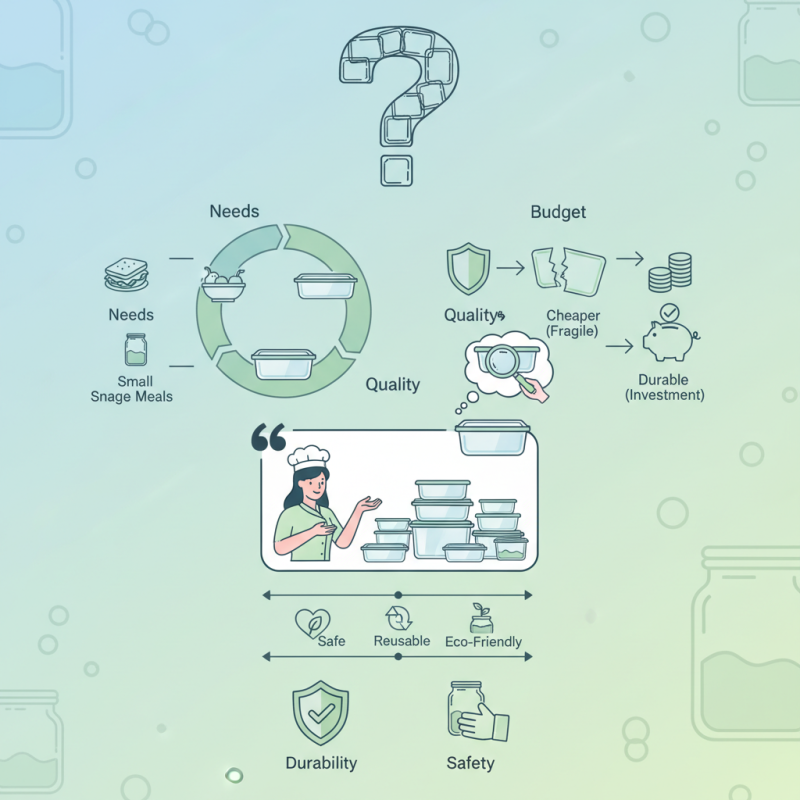
Glass containers offer many benefits. They are safe, reusable, and environmentally friendly. However, not everyone knows how to select the best ones for their kitchens. Many options exist, from various shapes to sizes. Some might prefer smaller containers for snacks, while others need larger ones for meal prep. The choices can overwhelm anyone.
It is crucial to consider quality and budget. Some glass containers may chip or shatter easily, which can be frustrating. It might be tempting to choose the cheapest option, but this could lead to more waste. Reflecting on your specific needs will help guide you toward the best choice of glass containers. Prioritize durability and safety, as these factors greatly affect your food storage experience.
Understanding the Benefits of Glass Containers for Food Storage
When it comes to food storage, glass containers offer numerous advantages. They are non-toxic and do not leach chemicals into food. Studies show that over 70% of consumers prefer glass over plastic for this reason. Glass does not retain stains or odors, making it ideal for storing a variety of foods. It keeps meals fresh longer, reducing waste and saving money.
Glass containers are versatile and can withstand extreme temperatures. You can use them in the oven, microwave, or freezer. This flexibility makes meal prep easier. However, it's essential to avoid sudden temperature changes, which can cause glass to crack. Consumer insights indicate that about 30% of users have experienced such issues.
Another significant benefit is the recyclability of glass. About 80% of glass can be recycled without losing quality, making it an eco-friendly option. However, it's important to note that glass can be heavy and fragile, which may not suit everyone's lifestyle. Ultimately, choosing glass containers may require overcoming some hurdles, but the benefits they provide for food storage are substantial.
Key Features to Look for in Food Storage Glass Containers
When selecting glass containers for food storage, key features play a significant role. Consider the types of lids used. Airtight seals are essential to preserve freshness. A 2021 industry report suggests that about 80% of consumers prioritize airtight options to prevent spoilage. Look for containers with silicone or rubber gaskets. These materials often enhance the sealing capabilities, making them a preferred choice.
Capacity is another crucial aspect. Different foods require different container sizes. A USDA study indicates that approximately 25% of food waste occurs due to improper storage. This can often stem from using containers that are too small or too large. Medium-sized containers, typically around 4-6 cups, are versatile for various food types. Visually inspecting the container can help understand its capacity better, but always check the specifications.
Durability matters too. Glass containers can withstand temperature changes, but not all are created equal. Thinner glass may shatter while in use. According to a 2022 survey, 30% of buyers reported breakage issues with cheaper options. Investing in thicker or borosilicate glass can mitigate this. Overall, it’s essential to reflect on every feature to find what complements your needs best.
Comparing Glass Containers with Other Materials: Pros and Cons
When considering food storage, glass containers have distinct advantages and disadvantages compared to plastic and metal. For example, glass is non-toxic and does not leach harmful chemicals, unlike some plastics, especially at high temperatures. A study by the National Institutes of Health indicates that almost 40% of plastic containers release chemicals when heated. Glass containers remain stable under heat, making them suitable for oven or microwave use.
On the flip side, glass is heavier and more prone to breakage. A report from the Glass Packaging Institute shows that around 3% of glass containers break during handling. This fragility can be problematic in busy kitchens. In contrast, plastic containers are lightweight and resistant to impact, making them a practical choice for families with young children or in dynamic work environments.
Tips: When choosing glass containers, look for borosilicate glass; it withstands thermal shock better. Also, consider the size. A variety of sizes is useful for different food items. Lastly, inspect the seals; airtight lids can preserve food freshness, reducing spoilage. Balancing these factors will help you decide what works best for your storage needs.
How to Choose the Right Glass Containers for Food Storage
This chart compares the durability and reactivity of different food storage materials: glass, plastic, metal, and ceramic. Glass containers are superior in durability while being less reactive, making them an excellent choice for food storage.
Best Practices for Maintaining and Cleaning Glass Food Containers
When it comes to maintaining glass food containers, cleanliness is crucial. Research shows that glass can harbor bacteria if not properly cleaned. To avoid this, always wash your containers with warm soapy water after each use. Pay special attention to the lids and seals, as these areas can trap food particles.
Tips: Use a soft scrubber, as harsh brushes can scratch the glass. Rinse well to remove soap residue.
For stubborn stains or odors, consider using a mixture of baking soda and vinegar. This combo is not only effective but also eco-friendly. Let the solution sit for about 30 minutes before rinsing. It can refresh the container and preserve its quality over time.
It’s essential to dry containers thoroughly before storing them. Leftover moisture can lead to mold growth. Despite the ease of cleaning glass will depend on your habits. If you usually forget to rinse immediately, you might face challenges later. As many studies show, a proactive approach in maintaining food storage keeps your containers in great shape, ensuring they last longer.
How to Choose the Right Glass Containers for Food Storage? - Best Practices for Maintaining and Cleaning Glass Food Containers
| Container Type |
Best Use |
Size Options |
Cleaning Tips |
Maintenance Advice |
| Straight-Sided Jars |
Dry goods storage (grains, pasta) |
500ml, 1L, 2L |
Hand wash with mild soap |
Avoid sudden temperature changes |
| Baking Dish |
Cooking and serving dishes |
1.5L, 3L, 5L |
Dishwasher safe, no abrasive cleansers |
Let cool before washing |
| Food Storage Container |
Leftovers and meal prep |
250ml, 1L, 1.5L |
Use vinegar for odor removal |
Check for chips before use |
| Meal Prep Containers |
Portion control and organizing meals |
500ml, 1L |
Avoid extreme heat |
Store with lids off to prevent odors |
| Mason Jars |
Canning and preserving |
250ml, 500ml, 1L |
Sterilize before use |
Store in a cool, dark place |