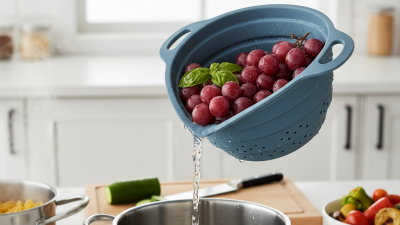
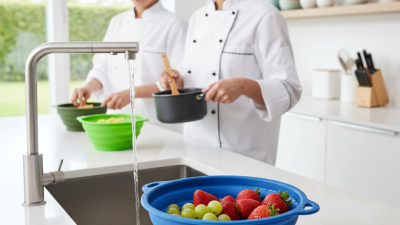
How to Choose the Best Silicone Strainer for Your Kitchen?
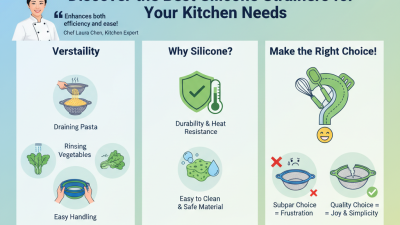
Choosing the right kitchen tools can greatly impact your cooking experience. One essential tool that often gets overlooked is the Silicone Strainer. This versatile kitchen accessory can simplify many tasks, from draining pasta to rinsing vegetables. However, not all silicone strainers are created equal.
When considering a Silicone Strainer, think about its durability and design. Some models may seem attractive but lack longevity. Check for heat resistance and ease of cleaning. These factors could enhance your cooking efficiency. Remember, a poorly designed strainer can lead to frustration, especially in busy moments.
Look for features that suit your specific needs. Size matters, especially if you're working with various pot sizes. A strainer that fits well provides better functionality. Trust your instincts based on your cooking habits. In the end, the right Silicone Strainer can be a game-changer in your kitchen.
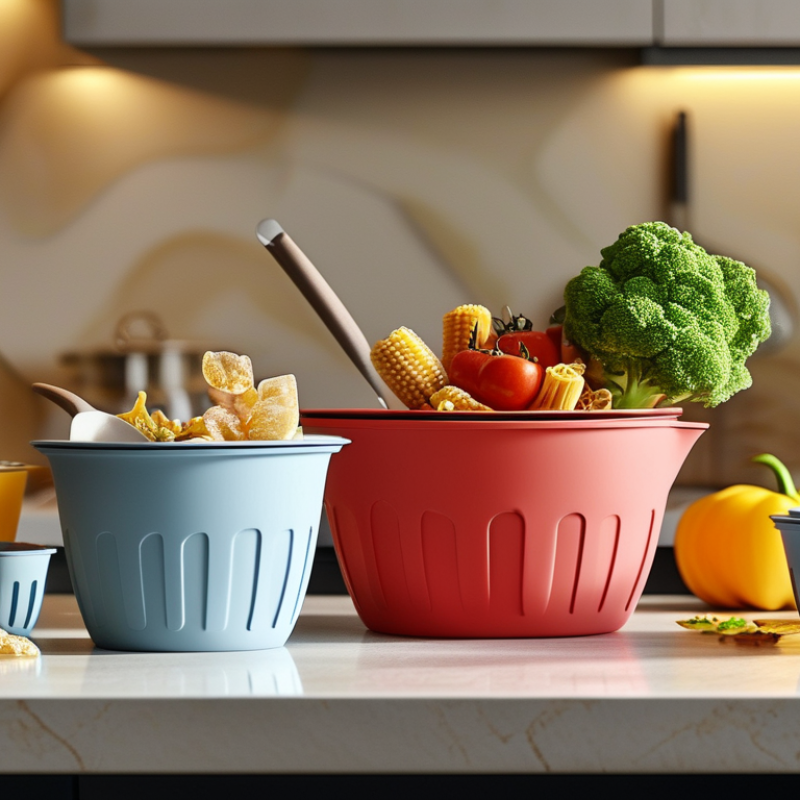
Understanding Different Types of Silicone Strainers Available in the Market
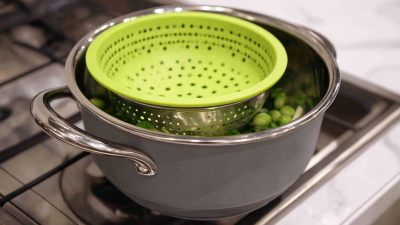
When choosing a silicone strainer, it’s essential to understand the different types available. Silicone strainers come in various shapes and sizes. Some are designed for pots, while others are perfect for bowls. The versatility of these strainers makes them compatible with many kitchen tasks.
One popular type is the collapsible silicone strainer. It saves space by folding flat. Ideal for small kitchens, it’s also easy to clean. However, users might find that these strainers can sometimes lose their shape after frequent use. Another option is the rigid silicone strainer. It provides excellent stability, but can take up more room in storage.
Many silicone strainers are heat-resistant. This means you can use them for hot liquids. Nonetheless, it’s important to check temperature ratings, as not all silicone is the same. Some may need extra care during washing to prevent melting or warping. Evaluate your own needs carefully.
Key Features to Consider When Selecting a Silicone Strainer for Kitchen Use
When selecting a silicone strainer for your kitchen, pay attention to material quality. High-grade silicone is food-safe and withstands high temperatures. Look for BPA-free options to ensure safety. A strainer that is both flexible and sturdy offers durability while making it easier to use.
Design features are crucial. Opt for a design with a wide mesh for better drainage. A strainer that fits various pots and bowls is a valuable choice. Handles should be sturdy and heat-resistant. Some strainers come with features like foldability, which aids storage. This can save space in your kitchen, making it more organized.
Tips: Check for any smell when buying. A strong odor can indicate lower quality silicone. Read user reviews for insights on usability. You might find opinions that highlight both pros and cons. Choosing the right strainer can take time and may require testing different types. Remember, not every strainer will meet your needs perfectly.
Benefits of Using Silicone Strainers Compared to Traditional Strainers
Silicone strainers have gained popularity in modern kitchens. They offer advantages over traditional metal or plastic strainers. One major benefit is their flexibility. Silicone strainers can easily change shape, allowing for efficient pouring. This means less mess overall.
Another key feature is their heat resistance. Many silicone strainers can withstand high temperatures. This allows you to strain hot liquids without worrying about damage. They are also lightweight, making them easy to handle and store.
Tips for choosing the right silicone strainer include checking the size. Ensure it fits your pots and bowls well. Look for products that are dishwasher safe for easy cleaning. Always confirm the silicone is food-grade to avoid harmful chemicals.
Consider the color and design that match your kitchen aesthetic. A visually appealing strainer can make cooking more enjoyable. Lastly, note that while silicone strainers are durable, they may not last forever. Always keep an eye out for any signs of wear or damage.
How to Choose the Best Silicone Strainer for Your Kitchen? - Benefits of Using Silicone Strainers Compared to Traditional Strainers
| Feature |
Silicone Strainer |
Traditional Strainer |
| Material |
Flexible, durable silicone |
Metal or plastic |
| Heat Resistance |
High temperature resistance |
Varies by material |
| Ease of Cleaning |
Dishwasher safe, non-stick |
May require hand washing |
| Storage |
Flexible and space-saving |
Bulkier and less flexible |
| Durability |
Long-lasting, resistant to tearing |
Can corrode or warp |
| Slip Resistance |
Typically non-slip design |
May slip if wet |
| Color Options |
Available in various vibrant colors |
Typically metallic or neutral colors |
How to Properly Maintain and Clean Your Silicone Strainer for Longevity
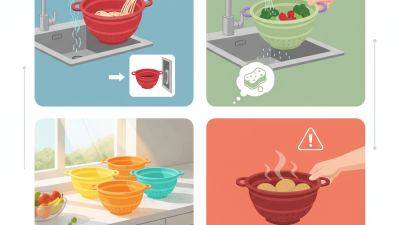
Cleaning and maintaining your silicone strainer is crucial for its longevity. Silicone is known for its durability, but proper care can enhance its lifespan. Begin by rinsing the strainer immediately after use. This prevents food residue from hardening. A gentle scrubbing with warm, soapy water is often sufficient. Ensure you focus on any crevices where food particles can hide.
Avoid abrasive cleaners or scrubbing pads. These can damage the silicone surface, leading to cracks or tears. If your strainer has tough stains, a mixture of baking soda and water can work wonders. Apply it gently and allow it to sit for a few minutes. Rinse it thoroughly to maintain its color and texture.
For deep cleaning, consider boiling the strainer in water for a few minutes. This method helps to eliminate odors and stains. After washing, always air dry the strainer completely. Storing it properly is essential, too. Avoid placing heavy items on top of it, as this can deform its shape. Regular maintenance requires mindfulness. Each step can be simple, but consistency is key for maximum usage.
Top Brands and Products Recommendations for High-Quality Silicone Strainers
When selecting a silicone strainer, look for durability and heat resistance. High-quality silicone can withstand temperatures of up to 450°F. This feature is crucial for handling hot foods without risk. Recent industry analysis shows that over 70% of consumers prefer silicone for its flexibility and convenience in pouring and straining.
Consider the brand reputation when making your choice. Reliable brands often adhere to strict safety standards. According to consumer reports, products tested for non-toxicity and BPA-free materials received higher satisfaction ratings. People enjoy using these safe options daily. Observing customer reviews can provide insights into actual performance and longevity.
Lastly, evaluate the strainer’s size and design. Many kitchens benefit from collapsible models that save space. However, not all designs are equally practical. Some consumers reported frustration with intricate shapes that are hard to clean, leading to bacteria build-up. Awareness of these drawbacks can guide better purchasing decisions.