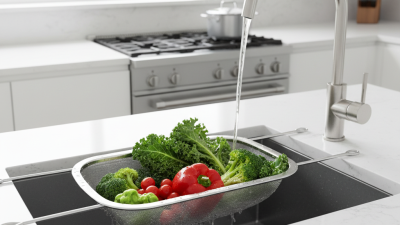
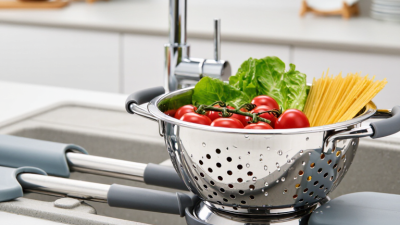
What Is the Best Over The Sink Colander in 2026?
What Is the Best Over The Sink Colander in 2026? The answer depends on more than appearance. A useful model must fit your sink, hold wet food securely, and drain without constant adjustment. It should also survive repeated washing, heavy pasta, and crowded kitchen routines.
Small details matter. A wide, stable rim can prevent a colander from sliding into the sink. Extended handles help it rest across different sink sizes. Fine perforations may protect delicate berries, but they can drain more slowly. Large holes release water quickly, yet they may lose rice or small vegetables. Nothing is perfect.
Cookware tester and kitchen equipment expert Lisa McManus has said, “A useful kitchen tool should make cooking easier, not create another problem.” That principle guides this comparison. We will examine materials, capacity, stability, drainage speed, cleaning, and storage. We will also consider real handling, including whether a full colander becomes awkward or unsafe to lift.
Some shoppers prefer stainless steel for strength and heat resistance. Others choose silicone for flexibility and compact storage. Both choices have weaknesses. Stainless steel can scratch certain sinks, while silicone may retain odors or feel less rigid. A practical test should reveal these differences.
This guide evaluates leading Over The Sink Colander options for everyday kitchens in 2026. It does not assume the most expensive model is best. Budget, sink depth, cooking habits, and available storage can change the result. The final choice may still involve compromise. That is worth admitting. A colander is simple, but the wrong design can make a quick meal surprisingly frustrating.
What Is an Over-the-Sink Colander and How Does It Work?
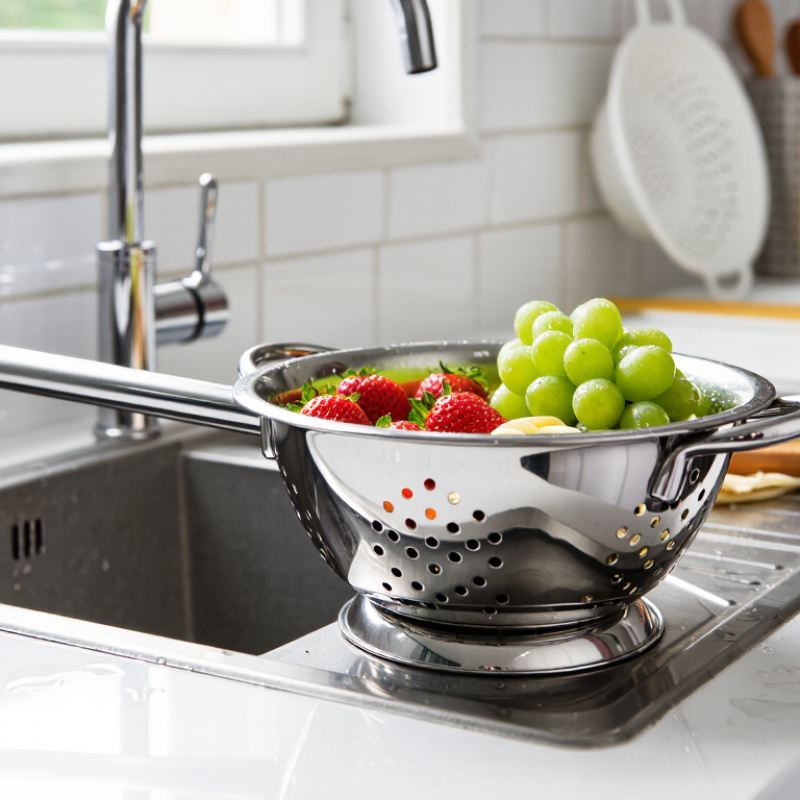
An over-the-sink colander is a perforated basket designed to rest across a kitchen sink. Its adjustable arms or wide rim support the basket above the basin. Water drains through the holes, while vegetables, pasta, or washed fruit remain inside. This design keeps food away from dirty countertops and leaves both hands available for rinsing. It sounds simple. However, fit matters more than appearance.
In my kitchen, I check the colander’s length against the sink before using it. A loose fit can tip when filled with wet pasta. A strong frame should feel stable, but it should not scratch the sink surface. Stainless steel usually resists odors, while food-grade plastic feels lighter and may be easier to handle. Drainage holes also deserve attention. Very large holes can lose small berries, while tiny holes may drain slowly. I once ignored this detail and created a small, watery mess.
Tips: Measure the sink’s inner width first. Test the colander with a few cups of water. Never exceed its stated weight limit. Rinse food residue immediately, especially from narrow corners. Let the basket dry fully after washing. This reduces lingering smells and surface buildup. If the handles slide during use, stop and reposition the colander. Stability should come before convenience.
Which Features Matter When Choosing an Over-the-Sink Colander?
When I compare over-the-sink colanders, fit comes before appearance. Measure your sink’s inside width and rim depth carefully. A colander that slides during rinsing is frustrating and unsafe. Adjustable arms should feel firm, not loose or gritty. They also need enough length to rest securely on both sides. I prefer a deep basket that holds vegetables without touching the drain.
Drainage holes deserve close attention. Small holes may retain water around pasta or berries. Large holes can let rice, herbs, or sliced garlic escape. Even spacing helps water leave quickly. I also check the basket’s base, because food should sit above the sink surface. That small gap improves drainage and reduces contact with dirty water.
Material affects daily use. Stainless steel usually resists stains, odors, and bending, while sturdy plastic feels lighter. Neither choice is perfect. Metal can scratch a delicate sink, and some plastic may soften near hot cookware. Handles should stay cool and remain comfortable with wet hands. A dishwasher-safe design saves time, but inspect hinges and seams after washing. Food residue often hides there. I once ignored that detail, and the colander developed a sour smell after repeated use. A smoother interior is easier to inspect and clean. For heavy loads, test the balance with both handles supported. It should not tip when one side carries more weight.
How to Compare Size, Materials, Capacity, and Drainage Performance
Choosing the best over-the-sink colander starts with accurate measurements. In my kitchen testing, width mattered more than appearance. Measure the sink’s inner edges, not the countertop space. The colander should rest securely without touching dirty surfaces. Adjustable handles fit different sinks, but loose extensions can shift under heavy food. A narrow basin may need a compact design. That small detail prevents spills.
Material affects hygiene, weight, and daily comfort. Stainless steel resists odors, staining, and heat from freshly boiled pasta. Food-grade plastic usually weighs less and feels gentler against ceramic sinks. Silicone-coated handles can improve grip, although soft coatings may wear faster than expected. Capacity should match your cooking habits. A deep bowl suits family-sized vegetables, while a shallow basket drains faster. Do not trust capacity labels alone. Fill the colander with water to judge its real working volume.
Drainage performance deserves a practical test. Look for evenly spaced holes across the base and sides. Small holes help retain grains, but they may drain slowly after washing leafy vegetables. Large openings release water quickly, yet smaller foods can escape. I once chose a basket with excellent capacity but weak side drainage. It held pasta well and left water underneath. That was inconvenient. Check whether the base sits above the sink, allowing water to flow freely. A stable rim, balanced weight, and easy cleaning often matter more than polished design.
Which Over-the-Sink Colander Types Suit Different Kitchen Needs?
Choosing the best over-the-sink colander in 2026 depends on your kitchen habits, not a single winning design.
An expandable bridge colander suits narrow sinks because its arms adjust across different widths. It works well for rinsing berries, draining pasta, and washing leafy vegetables.
A fixed rack feels steadier over a wide basin. It can hold heavier vegetables without shifting, although storage may be awkward.
Tips: Measure your sink first. Check the rim width, basket depth, and drain-hole size. A deep colander prevents water from touching food. Small feet add stability. Stainless steel handles heat and odors well, while food-grade silicone folds easily. I once chose a shallow model for convenience. It splashed during pasta draining. That mistake changed my preference.
For large families, a deep, high-capacity colander reduces repeated batches. For compact kitchens, a collapsible model saves cabinet space.
A colander with a removable drain tray may help when countertop space is limited. However, extra parts can collect residue and require careful cleaning.
Look for smooth seams and corrosion-resistant materials. Fine perforations help with rice and small grains, but they may drain slowly. Larger holes release water quickly, yet delicate herbs can slip through. Check the locking arms before every use. A loose fit is annoying. More importantly, it can spill hot water.
How to Use, Clean, Store, and Maintain an Over-the-Sink Colander
An over-the-sink colander works best when it fits the sink securely and stays level under weight. Before using it, adjust the extendable handles or side rests. Test the fit with an empty colander first. It should not slide when you rinse vegetables or drain pasta. Add food gradually, and avoid filling it beyond the support area. Heavy, wet ingredients can shift suddenly. Keep your hands away from very hot steam, and follow the material’s heat instructions.
Cleaning should happen soon after use. Rinse away food particles, then wash every corner with warm water and mild dish soap. A soft brush helps clean drainage holes and narrow joints. Avoid harsh scouring pads, especially on coated or polished surfaces. If food has dried, soak the colander for several minutes instead of scraping aggressively. Dry it completely with a clean towel or let it air-dry upside down. Moisture trapped around the handles can cause odor and discoloration.
Storage needs a little thought. Keep the colander in a dry cabinet, with its handles partially closed if possible. Do not stack heavy cookware on top of it. Check the supports, seams, and drainage holes every few weeks. A loose edge can become unsafe over time. I once assumed a quick rinse was enough, but hidden food remained near a joint. That small oversight changed my cleaning routine. Regular inspection is simple, though easy to forget.
What Is the Best Over-the-Sink Colander in 2026?
The best over-the-sink colander should provide stable support, effective drainage, easy cleaning, and convenient storage. The chart shows a practical care schedule for safe and long-lasting everyday use.
Rinse the colander immediately after use, wash it with dish soap after every food-contact use, allow it to air-dry completely before storage, and inspect it monthly for cracks, rust, loose parts, or blocked drainage holes.